Compare and Choose Local Contractors for Interior Home Improvements
Compare local contractors to define project scope, verify experience, and set clear expectations in writing for your interior home improvement.
Interior home improvement projects encompass a wide range of work aimed at enhancing the functionality, comfort, and aesthetic appeal of a residence’s interior spaces. Typical tasks include remodeling kitchens and bathrooms, installing new flooring, updating lighting fixtures, adding storage solutions, or improving wall finishes. These projects often involve coordinating multiple trades and managing various materials, making it essential for property owners to clearly define what they want to achieve. Establishing a detailed scope helps ensure that all parties understand the work involved, which can lead to more accurate communication and smoother project execution.
Clearly defining the scope of an interior improvement project is a crucial step in working with service providers. A well-documented scope outlines specific tasks, desired outcomes, and any particular preferences or standards, serving as a reference point throughout the project. This clarity helps prevent misunderstandings, scope creep, or unexpected changes that can complicate the process. When property owners have a solid scope in place, it becomes easier to compare different contractors based on their experience, approach, and ability to meet the outlined requirements. In turn, this can lead to more informed decisions and better alignment with the project’s goals.
Property owners seeking to connect with local contractors for interior home improvements should focus on comparing experience, specialties, and reputation. It is advisable to verify how long service providers have been working on similar projects and to review their portfolios or references when available. Asking detailed questions about their previous work can provide insight into their expertise and approach. Additionally, ensuring that scope expectations are documented in writing helps establish clear communication and accountability. By taking these steps, property owners can identify service providers that are well-equipped to handle the specific needs of their interior improvement projects, leading to a more successful and satisfying outcome.
Compare local contractors by outlining priorities, verifying experience, and setting clear expectations in writing.
- Compare Contractor Qualifications - review experience and credentials to ensure the service provider can handle the specific interior improvement project.
- Define Project Scope Clearly - establish detailed expectations and deliverables to prevent misunderstandings during the renovation process.
- Verify Experience and References - assess the contractor’s past work and reputation to determine their suitability for the job.
- Document Agreements in Writing - ensure all project details, responsibilities, and expectations are documented to protect all parties involved.

Clearly describe your interior home improvement project to effectively compare options, verify experience, and set expectations in writing.
- Verify experience and expertise in interior home improvement projects to ensure service providers have relevant skills. - Look for contractors with a proven track record in the specific type of interior work needed.
- Define the scope of work clearly and in writing to establish expectations and project details. - Ensure all project requirements, materials, and finishes are documented before work begins.
- Compare multiple local contractors to assess their qualifications and approach to similar projects. - Gathering information from different service providers helps identify the most suitable candidate.
- Check references or reviews to gauge the quality of previous interior home improvement work. - Feedback from past clients can provide insight into a contractor’s reliability and craftsmanship.
- Confirm that service providers are willing to provide detailed written proposals outlining the work plan and expectations. - A comprehensive proposal helps prevent misunderstandings and sets clear project parameters.
- Ensure communication is clear and professional to facilitate smooth collaboration throughout the project. - Open dialogue with local contractors supports effective planning and problem-solving.
Compare local contractors, clarify project scope, verify experience, and set clear expectations in writing.



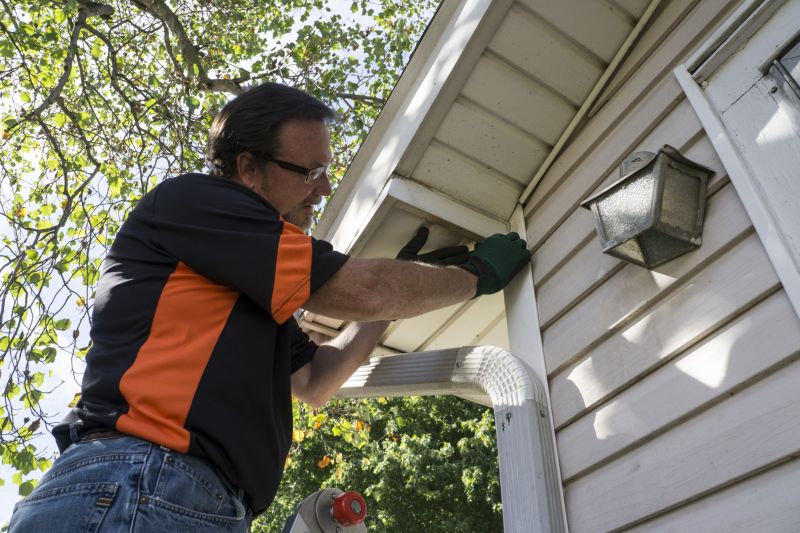
Learn how to compare interior home improvement contractors consistently by defining scope, verifying experience, and setting clear expectations.
- Project Scope - Clearly define the specific interior improvements needed, including rooms, features, and materials.
- Experience and Expertise - Verify that local contractors have relevant experience in interior home improvement projects.
- Work Details - Outline the tasks, materials, and finishes expected to be included in the project scope.
- Communication Expectations - Establish how the service provider will communicate progress, changes, and clarifications throughout the project.
- Written Agreement - Ensure all project details, responsibilities, and scope are documented in a formal agreement before work begins.
When evaluating contractors for interior home improvement projects, it’s important to consider their experience with similar types of work. Service providers who have a proven track record handling projects comparable in scope and style can offer insights into potential challenges and solutions. Asking about past projects or requesting references related to specific interior upgrades can help gauge their familiarity with the work you need. This focus on relevant experience ensures that the contractor understands the nuances of your project and can deliver results aligned with your expectations.
A clear, written scope of work is essential for establishing mutual understanding between homeowners and contractors. An effective scope should detail the specific tasks, materials, and finishes involved in the project, leaving little room for ambiguity. When comparing service providers, look for contractors who can articulate their approach in writing, providing a comprehensive outline of what is included and what is not. This documentation helps prevent misunderstandings and serves as a foundation for any future discussions or adjustments.
Verification of a contractor’s basics, such as their business history and reputation, is a key step in the selection process. While licensing and certification are not the focus here, it’s useful to verify that the contractor has a stable presence in the community and positive references from previous clients. Checking online reviews, requesting a list of completed projects, and speaking with past clients can offer valuable insights into their reliability and quality of work. These steps help ensure that the service providers considered have a track record of delivering satisfactory results.
When comparing options, it’s important to evaluate how each contractor communicates and documents their approach. Look for service providers who provide detailed proposals or written statements outlining the scope, materials, and methods they plan to use. Assess whether their explanations are clear and thorough, which indicates professionalism and attention to detail. Avoid relying solely on verbal descriptions or vague promises; instead, prioritize contractors who can demonstrate a comprehensive understanding of the project through written documentation. This approach helps set realistic expectations and facilitates a smoother collaboration.
Ask contractors to provide written scope and expectations to ensure clear understanding and consistent project outcomes.
- Scope of Work - How do contractors define and document the specific tasks involved in the interior home improvement project?
- Experience & Expertise - What experience do local contractors have with similar interior renovation projects?
- Comparison Criteria - What factors should be used to compare different service providers beyond pricing?
- Work Approach - How do contractors plan to approach the project and handle unexpected issues?
- Written Agreements - Are project details, expectations, and responsibilities clearly outlined in written agreements?
How can I find reputable contractors for interior home improvement? To find reliable service providers, compare local contractors based on experience, reviews, and references, ensuring they have a strong track record with similar projects.
What should I consider when defining the scope of my interior renovation? Clearly outline the work needed, including materials, finishes, and specific tasks, to help contractors understand your expectations and provide accurate proposals.
How can I verify a contractor’s experience in interior home improvement? Review their portfolio, ask for references, and check how long they have been working on projects similar to yours to gauge their expertise and reliability.
Why is it important to get everything in writing before starting a project? Having a detailed written agreement helps set clear expectations, defines the scope, and provides a reference for any future questions or concerns.
What questions should I ask potential contractors during the comparison process? Inquire about their experience with similar projects, their approach to managing work, and how they handle unforeseen issues to assess their suitability.
How can I ensure that the contractor understands my vision for the interior space? Communicate your preferences clearly, provide examples or references, and confirm that the scope and details are documented in writing before work begins.
Understanding the key aspects of interior home improvement projects can help in making informed decisions. Visitors learned how to effectively compare local contractors, define the scope of work, verify experience, and establish clear expectations through written agreements. These steps are essential for ensuring that the project aligns with personal needs and standards.
To explore options and find the right service providers, use the quote form to connect with local contractors who can handle interior home improvements. Comparing multiple local service providers allows for a better understanding of available expertise and approaches, helping to identify the best fit for the project’s requirements.